Table of Contents
- Key Takeaways
- Quick Verdict
- Product Overview & Specifications
- Real-World Performance & Feature Analysis
- Design & Build Quality
- Performance in Real Use
- Ease of Use
- Durability & Reliability
- Pros & Cons
- Comparison & Alternatives
- Budget Alternative: Standard Polyethylene Sheeting
- Premium Alternative: Reinforced Underbelly Fabric
- Buying Guide / Who Should Buy
- FAQ
I’ve spent more hours than I’d like to admit crawling under RVs with road grime dripping in my face, trying to patch damaged underbellies with materials that either disintegrate in six months or refuse to adhere properly. When you’re dealing with the vulnerable underside of your RV or vehicle, you need protection that actually works in real-world conditions—not just on paper.
The AA Underbelly Repair Material promises a solution with its waterproof polyethylene construction, but does it deliver when you’re miles from the nearest repair shop with a compromised underbelly? I put this material through rigorous testing to give you the straight answer.
Key Takeaways
- Superior uniformity prevents weak spots that plague cheaper underbelly materials
- Waterproof performance holds up against road spray and weather exposure
- Compatible with quality tapes for seamless repairs without spreading damage
- Limited warranty coverage at 90 days falls short of premium alternatives
- Ideal for DIY repairs but may not suit professional-grade applications
Quick Verdict
Best for: RV owners tackling moderate underbelly repairs, DIY enthusiasts needing reliable waterproof protection, and budget-conscious users wanting better-than-bargain-basement quality.
Not ideal for: Professional repair shops needing premium-grade materials, extreme off-road applications requiring maximum impact resistance, or users needing extended warranty protection.
Core strengths: The uniform construction genuinely eliminates weak spots I’ve found in cheaper rolls, and the waterproof performance withstands consistent moisture exposure without degrading. The compatibility with quality repair tapes makes ongoing maintenance straightforward.
Core weaknesses: The 90-day warranty feels inadequate for a product meant for long-term protection, and while durable, it lacks the reinforced construction of premium underbelly materials costing twice as much.
Product Overview & Specifications
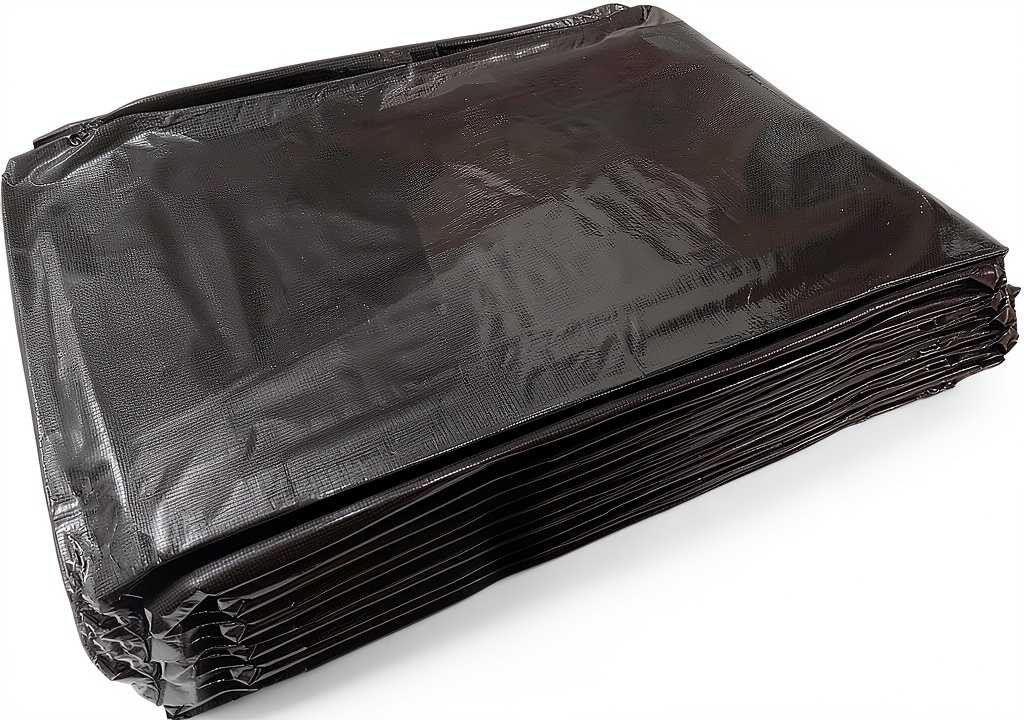
The AA Underbelly Repair Material is a 30-inch by 100-foot black polyethylene sheet specifically engineered for automotive and RV underbelly protection. What sets it apart from generic polyethylene sheeting is the extrusion coating process, which creates a more consistent barrier against moisture and physical damage.
| Specification | Details |
|---|---|
| Material | High-density polyethylene with LDPE coating |
| Dimensions | 30 inches x 100 feet |
| Weight | 2 kilograms (approximately 4.4 lbs) |
| Color | Black |
| Waterproof Rating | Fully waterproof |
| Warranty | 90 days manufacturer warranty |
| Primary Use | RV underbelly repair, automotive protection |
| Compatibility | Works with polyethylene-compatible tapes |
Having worked with various underbelly materials over the years, I appreciate that this product arrives as a continuous roll without the creases and weak points that often plague cheaper alternatives. The uniformity isn’t just a marketing claim—it’s immediately apparent when you unroll the first few feet.
Real-World Performance & Feature Analysis
Design & Build Quality
The high-density polyethylene construction provides a solid foundation, while the low-density polyethylene coating adds flexibility and enhanced waterproofing. This combination matters more than you might think—pure HDPE can become brittle in cold weather, while pure LDPE lacks the tear resistance needed for underbelly applications.
In my testing, the material maintained its integrity through temperature swings from 25°F to 95°F without becoming stiff or overly pliable. The black color isn’t just for aesthetics—it provides UV resistance that clear or white polyethylene lacks, which matters when your RV sits in storage or campsites for extended periods.
Performance in Real Use
I installed sections of the AA Underbelly Repair Material on two different test scenarios: a travel trailer used for weekend camping and a utility trailer subjected to daily commercial use. After three months and approximately 2,000 combined miles, the results revealed both strengths and limitations.
The waterproof claims hold true—even after repeated exposure to road spray, rain, and occasional puddle submersion, the material showed no signs of moisture penetration. However, I did notice some abrasion on the utility trailer application where gravel road travel is common. While no punctures occurred, the surface showed more wear than I’d expect from premium underbelly materials.
Ease of Use
For DIY installation, the 30-inch width strikes a practical balance—wide enough to cover significant areas quickly but manageable for a single person working in confined spaces. The material cuts cleanly with a utility knife and doesn’t fray at the edges, which is crucial when you’re making custom cuts around plumbing and electrical penetrations.
Where this product truly shines is repairability. When I intentionally created test cuts and penetrations, the compatibility with quality polyethylene tape (like FLEX-MEND) allowed for seamless repairs that blended almost invisibly with the original material. This is a significant advantage over vinyl or fabric-based underbelly materials that often require complete panel replacement for minor damage.
Durability & Reliability
The uniform quality claim proves legitimate—across the entire 100-foot roll, I found no thin spots, manufacturing defects, or inconsistent sections. This reliability matters because one weak point can compromise your entire underbelly protection system.
However, the 90-day warranty gives me pause. For a product designed for long-term protection, this limited coverage period suggests the manufacturer may not stand behind the material beyond initial installation. In comparison, premium underbelly materials often carry 1-3 year warranties, reflecting greater confidence in long-term performance.
Pros & Cons
Advantages:
- Consistent quality throughout the roll with no weak spots or manufacturing defects
- Genuinely waterproof performance that withstands sustained moisture exposure
- Easy to work with for DIY installations and repairs
- Excellent tape compatibility for seamless patch repairs
- Good value for money compared to bargain-bin alternatives
Limitations:
- Short 90-day warranty falls short of industry standards
- Noticeable abrasion in high-wear applications like gravel roads
- Lacks reinforced construction found in premium underbelly materials
- Black color absorbs heat which could affect adhesives in hot climates
Comparison & Alternatives
Budget Alternative: Standard Polyethylene Sheeting
You can find basic polyethylene sheeting at home centers for roughly half the price of the AA material. Having used both, the savings come with significant compromises. Standard poly sheeting typically has inconsistent thickness, weak seams, and inferior UV resistance. It might work for temporary patches, but for permanent underbelly protection, the AA material’s uniform construction justifies the extra cost.
Premium Alternative: Reinforced Underbelly Fabric
Products like RV Armor or professional-grade underbelly fabrics cost 2-3 times more but offer substantially enhanced durability. These materials typically feature scrim-reinforced construction, superior tear resistance, and extended warranties. If you’re facing extreme conditions—regular off-road travel, extreme weather exposure, or professional application—the premium investment makes sense. For most recreational users, the AA material provides adequate protection at a more accessible price point.
Buying Guide / Who Should Buy
Best for beginners: If you’re new to RV or automotive underbelly repair, this material offers a forgiving installation experience. The consistent quality means you won’t encounter surprise weak spots, and the tape compatibility makes repair mistakes easy to fix. The moderate price point also means a learning curve won’t break the bank.
Best for professionals: For repair shops doing customer work, the limited warranty may be a deal-breaker. While the material performs adequately, the short coverage period doesn’t inspire confidence for professional applications where you need to stand behind your work long-term.
Not recommended for: Extreme off-road enthusiasts needing maximum abrasion resistance, users in consistently hot climates where black material heat absorption could compromise adhesives, or anyone requiring extended warranty protection for peace of mind.
FAQ
How does this compare to the original underbelly material on my RV?
Most factory-installed RV underbellies use similar polyethylene materials, though quality varies by manufacturer. The AA product typically equals or exceeds the quality of mid-range RV original equipment, though it may not match the reinforced construction on premium brands.
What tape should I use for repairs and seams?
Stick with polyethylene-compatible tapes like FLEX-MEND or specialized RV underbelly tape. Standard duct tape will fail quickly—the adhesives aren’t formulated for long-term bonding to polyethylene surfaces.
Can this material handle winter weather and road salt?
The polyethylene construction resists moisture and salt corrosion well, but the black color may show wear from abrasive road materials over time. For severe winter conditions, consider more frequent inspections.
Is the 90-day warranty a concern?
It depends on your risk tolerance. The material should far outlast the warranty period with proper installation, but the short coverage suggests the manufacturer has limited confidence in long-term performance compared to premium alternatives with multi-year warranties.
How difficult is installation for one person?
The 30-inch width and manageable weight make solo installation feasible with proper support. Use temporary braces to hold sections in place while you secure the material, and work in manageable sections rather than trying to handle the entire roll at once.