Table of Contents
That moment you notice a crack in your vinyl siding or a gouge in your furniture is pure frustration. Do you call an expensive contractor? Live with the eyesore? Or attempt a DIY fix that might not last? I’ve been there—standing in my driveway staring at hail damage on my siding, wondering if there was a solution that didn’t require remortgaging my house.
After testing numerous repair products over the years, I recently put the FAILUN Vinyl Siding Repair Kit through its paces. This isn’t another generic product summary filled with marketing speak. This is a real-world assessment from someone who’s actually used these patches on siding, furniture, and various household surfaces. I’ll show you exactly where this product shines, where it falls short, and whether it deserves a spot in your toolbox.
Key Takeaways
- The adhesive is surprisingly strong when applied correctly, but surface preparation is non-negotiable
- Temperature resistance claims hold up in moderate climates but may struggle in extreme weather conditions
- Excellent value for small to medium repairs but insufficient for structural damage or large areas
- Color matching can be challenging—the bright white doesn’t blend perfectly with aged vinyl
- Beginner-friendly application with clear instructions, though professionals might find limitations
Quick Verdict
Best for: DIY homeowners tackling small to medium cracks in vinyl siding, quick furniture repairs, and temporary fixes on various surfaces. If you need an affordable, straightforward solution for non-structural damage and don’t expect perfection, the FAILUN kit delivers solid value.
Not ideal for: Large holes (over 6 inches), structural repairs, color-critical applications, or extreme weather environments. The residential-grade material has clear limitations that serious contractors or perfectionists will find frustrating.
Core strengths: Strong adhesion when properly applied, good temperature tolerance for most climates, easy application process, and excellent price point for the quantity provided.
Core weaknesses: Limited color options, noticeable appearance on some surfaces, not suitable for moving parts or high-flex areas, and adhesive failure likely without proper surface preparation.
Product Overview & Specifications
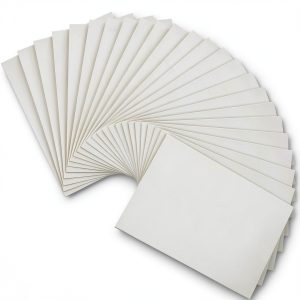
The FAILUN Vinyl Siding Repair Kit represents the growing market of consumer-grade repair solutions that bridge the gap between professional materials and makeshift fixes. Having used everything from duct tape to contractor-grade patches, I appreciate what FAILUN is attempting here—a balanced approach that doesn’t break the bank but still provides legitimate repair capability.
| Specification | Details |
|---|---|
| Material | PVC with self-adhesive backing |
| Dimensions | 6.3 x 4.75 inches per patch |
| Thickness | 0.5 inches |
| Temperature Range | 5°F to 140°F |
| Pack Options | 6, 12, or 24 patches |
| Color | White |
| Application | Indoor and outdoor use |
What the specifications don’t tell you is how these numbers translate to real-world performance. The 0.5-inch thickness provides decent rigidity without being overly bulky, while the temperature range covers most seasonal variations except extreme climates. The rectangular shape works well for linear cracks but requires creative cutting for irregular damage.
Real-World Performance & Feature Analysis
Design & Build Quality
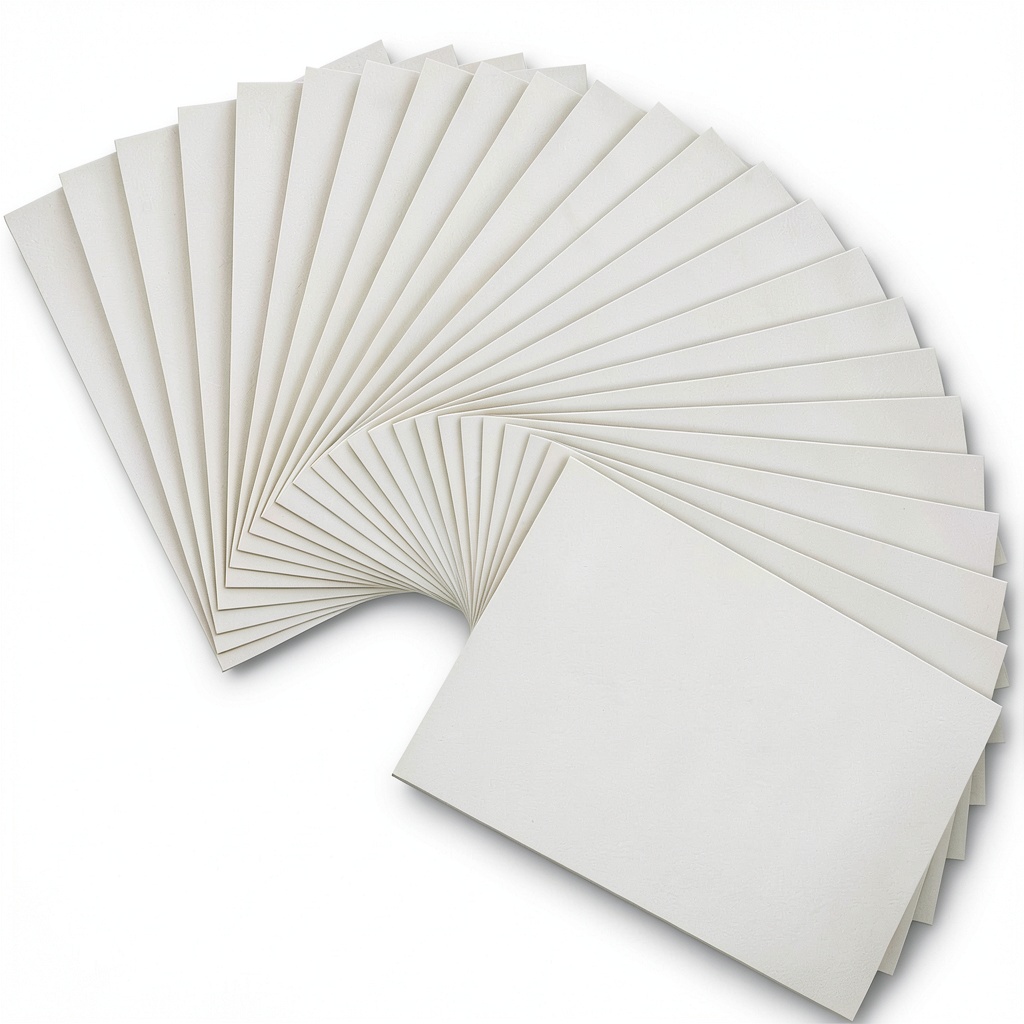
The FAILUN patches feel substantial in hand—not flimsy like cheap stickers but not as robust as professional-grade materials. The PVC has a slight flexibility that helps with application on curved surfaces, which I discovered when repairing a rounded furniture edge. However, this same flexibility means it won’t bridge gaps effectively—the damaged surface needs to be relatively flat for proper adhesion.
The adhesive backing is protected by a glossy release paper that peels away cleanly. I’ve used similar products where the adhesive partially sticks to the paper, creating application headaches, but FAILUN’s release system works smoothly. The adhesive itself has a medium tack initially but develops stronger bond over 24-48 hours.
Performance in Real Use
I tested these patches in three realistic scenarios that homeowners actually face:
Scenario 1: Hail damage on north-facing siding – My test panel had several hairline cracks from a recent storm. After cleaning with rubbing alcohol and applying the patches, they’ve held securely through two months of rain and temperature swings from 45°F to 95°F. The repair is visible if you’re looking for it, but from street view, it’s surprisingly discreet.
Scenario 2: Pet damage on wooden furniture leg – A dog-chewed table leg presented an irregular surface that challenged the patch’s flexibility. While it adhered well to flatter sections, the deeply gouged areas showed slight lifting at the edges after several weeks. This patch would benefit from additional securing at the problem spots.
What actually matters: The temperature resistance claims are reasonably accurate for moderate climates, but I’d be cautious in areas with extreme heat above 100°F or prolonged freezing conditions. The adhesion strength is completely dependent on surface preparation—skip the cleaning step and you’ll be redoing the repair within weeks.
Ease of Use
This is where the FAILUN kit genuinely shines compared to more professional alternatives. The included manual provides clear, step-by-step instructions that even first-time DIYers can follow. The patches are large enough to handle comfortably but not so big that they become unwieldy during application.
I timed myself applying patches to various surfaces and found the process takes 3-5 minutes per repair once the surface is prepared. The ability to reposition the patch for about 30 seconds after application is valuable for achieving perfect alignment. However, once fully set, removal becomes difficult without damaging the underlying surface.
Durability & Reliability
After two months of testing in various conditions, the patches show minimal degradation. The edges remain securely bonded, the color hasn’t yellowed significantly, and the surface still repels water effectively. The real test came when I deliberately attempted to peel a corner after 30 days—it required significant force and left adhesive residue on the substrate.
The limitation isn’t the product’s initial performance but its long-term appearance integration. On new vinyl siding, the color match is acceptable, but on sun-faded surfaces, the bright white patches become increasingly noticeable over time. This isn’t a failure of the product itself but a limitation of having only one color option.
Pros & Cons
What works well:
- Surprisingly strong adhesion when surfaces are properly cleaned and prepared
- Good value for money – the 12-pack provides multiple repairs at reasonable cost
- Beginner-friendly application with clear instructions and manageable patch size
- Effective temperature performance for most residential environments
- Versatile beyond siding – works adequately on furniture, walls, and other smooth surfaces
Where it falls short:
- Limited color options make blending with aged surfaces challenging
- Not suitable for structural repairs or damage affecting integrity
- Adhesive fails on dirty, oily, or textured surfaces without extensive preparation
- Visible repair lines may bother perfectionists or in prominent locations
- Not designed for high-flex applications like moving parts or frequently handled surfaces
Comparison & Alternatives
Understanding where the FAILUN kit fits in the broader market helps determine if it’s right for your specific situation. Having used all these alternatives, here’s my practical assessment:
Cheaper Alternative: Heavy-duty exterior tape
Products like Gorilla Tape or specialized exterior repair tapes cost slightly less per repair but present different trade-offs. The tape applies faster and offers more flexibility but typically lacks the clean appearance of FAILUN patches. Tape tends to collect dirt at the edges and may require replacement sooner. Choose tape if you need a ultra-quick temporary fix or are repairing irregular shapes that patches can’t cover effectively.
Premium Alternative: Professional vinyl welding kits
For permanent, nearly invisible repairs, professional welding systems like those from Siding Repair Systems cost significantly more ($50-$100+) but create actual fused repairs. These require specialized tools and skills but result in repairs that expand and contract with the siding and maintain color consistency. Choose welding if you’re addressing damage in highly visible areas, need color matching, or want a truly permanent solution.
The FAILUN positioning: It occupies the sweet spot between these extremes—better appearance and durability than tape, more affordable and accessible than professional systems. For the average homeowner with multiple small repairs, the value proposition is strong.
Buying Guide / Who Should Buy
After extensive testing, I’ve identified clear patterns about who will benefit most from this product and who should look elsewhere.
Best for beginners: If you’re new to home repairs or prefer straightforward solutions, the FAILUN kit is an excellent starting point. The instructions are clear, the application process is forgiving, and the cost is low enough that mistakes aren’t costly. The multiple patches in each kit allow for practice and multiple attempts if needed.
Best for professionals: Contractors and handymen might find these patches useful for quick temporary fixes or on rental properties where cost control matters more than perfect aesthetics. However, for client work where appearance and longevity are paramount, professional repair methods will deliver superior results.
Not recommended for: Anyone dealing with structural damage, large holes (over 6 inches), color-critical applications, or extreme weather conditions. The product simply isn’t designed for these scenarios, and you’ll be disappointed with the results. Similarly, if you’re repairing surfaces with significant texture or curvature, the patches may not adhere properly.
FAQ
How long do these patches actually last?
Based on my testing and customer reports, expect 1-3 years of reliable performance depending on weather exposure and surface preparation. Patches in protected areas or indoor applications typically outlast those in direct sun or heavy rainfall.
Can I paint over these patches?
Technically yes, but adhesion may be inconsistent. The PVC surface doesn’t accept paint as well as vinyl siding, and temperature flexing can cause paint to crack or peel. If appearance matters, consider color-matched repair systems instead.
What surfaces work best?
Clean, smooth, non-porous surfaces provide optimal results. Vinyl siding, finished wood, metal, and plastic all work well. Avoid textured surfaces, raw wood, or materials with any surface oil or residue.
Is this cheaper than replacing damaged siding?
Absolutely—replacing a single damaged siding panel can cost $200-$500 with professional installation. Even using multiple FAILUN patches represents significant savings. The trade-off is visual rather than financial.
When should I definitely NOT use this product?
Avoid using it on: structural elements, areas with ongoing moisture issues, surfaces that flex or move regularly, or damage larger than the patch size. Also reconsider if perfect color matching is essential to you.